
Blackjack basic strategy breakdown
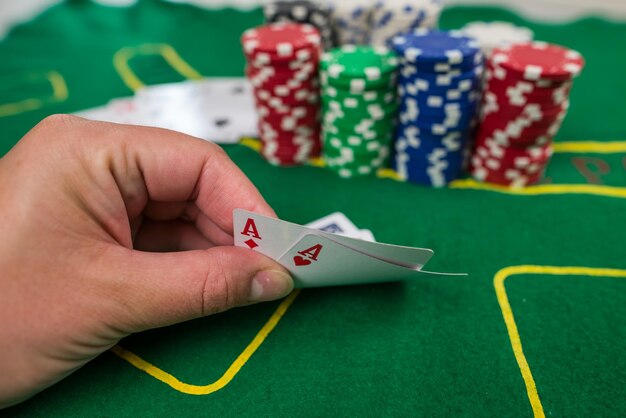
Always split Aces and Eights. This fundamental rule significantly increases your chances of winning by allowing you to maximize your potential hands. When faced with a dealer’s upcard between 2 and 7, doubling down on 10 or 11 can elevate your winnings even further. These strategies form the backbone of a solid blackjack approach and should be memorized for consistent play.
Blackjack is a game of strategy that combines skill and chance, making it a favorite among many casino enthusiasts. By mastering fundamental techniques such as knowing when to hit, stand, or double down, players can significantly improve their odds against the dealer. For example, doubling down on strong hands like 10 or 11, especially against lower dealer cards, is often a winning strategy. Additionally, paying attention to the dealer's upcard can provide critical insights into your next move. For more tips on refining your blackjack strategy, visit vibrobet-casino-online.com and enhance your gameplay experience.
Pay attention to the dealer’s upcard. A dealer showing a 4, 5, or 6 presents a great opportunity to stand on lower totals, as they are more likely to bust. This insight goes hand in hand with knowing when to hit, especially when your total is between 12 and 16 against a dealer’s strong card. Staying informed and adaptable will pay off during gameplay.
Keep track of your bankroll and set limits. Playing wisely involves not just knowledge of strategies but also managing your finances effectively. Establish a budget for each session, and stick to it. This practice ensures that you can enjoy longer gaming sessions while minimizing the risks associated with losing streaks. Always prioritize having fun while employing these strategies for the best results.
Understanding the Rules of Blackjack
Know the objective: reach a hand total of 21 or as close as possible without exceeding it. You compete against the dealer, not other players.
Cards are valued as follows: numbered cards from 2 to 10 are worth their face value, face cards (kings, queens, and jacks) are worth 10, and aces can be worth 1 or 11, depending on which is more beneficial for your hand.
Begin by placing a bet before the dealer deals two cards to each player and themselves. Players receive two cards face up while the dealer has one card face up and one card face down, known as the hole card.
Your turn follows in a clockwise manner. You can choose to hit (take an additional card) or stand (keep your current hand). If your total exceeds 21 after hitting, you bust and lose the round.
Once all players have acted, the dealer reveals their hole card. The dealer must hit on 16 or below and stand on 17 or higher. If the dealer busts, players still in the game win automatically.
Winnings occur when your hand beats the dealer’s without busting. If you hit 21 with your first two cards (an ace and a ten-value card), you achieve a blackjack and typically receive a payout of 3:2.
Pay attention to the variations in rules, as some casinos offer different payouts for blackjack, or allow options like splitting pairs and doubling down, which can influence your strategy.
Key Blackjack Strategies for Beginners
Always follow basic strategy charts to make the best decisions. These charts provide the optimal move based on your hand and the dealer's upcard. Memorize the key points, such as hitting on 16 against a dealer's 10 and standing on 17 or higher.
Understand the importance of doubling down. This option allows you to double your bet in exchange for only one additional card. Use this strategy when you have a total of 11 or 10, particularly against lower dealer cards (like 2 to 9).
Use splitting wisely. Always split aces and eights, but never split tens or fives. Splitting can create two strong hands with the potential for higher payouts, especially when done against weak dealer upcards.
Manage your bankroll effectively. Set a budget before playing and stick to it. This prevents impulsive betting and losses beyond your means. Utilize a betting system, like the flat betting method, to maintain consistency.
Pay attention to the dealer's upcard. If the dealer shows a 4, 5, or 6, they are likely to bust. Adjust your strategy accordingly, playing more aggressively when the dealer's position is weak.
Take advantage of blackjack variations. Different table rules can affect your strategy. Look for tables that offer favorable rules such as fewer decks or the option to surrender for a lower loss.
Stay calm and patient. Emotional play leads to poor decisions. Keep a clear mind, and focus on the strategy rather than distractions around the table.
When to Hit, Stand, Double Down, or Split
Hit when your hand totals 11 or less. This gives you the best chance to improve your hand without exceeding 21. If you have 12 to 16, hit against a dealer's 7 or higher; otherwise, stand.
Stand when your total is 17 or more. This includes soft 17 (Ace and 6). For totals between 13 and 16, stand against a dealer’s 2 to 6, as the dealer is likely to bust.
Double Down if your hand totals 10 or 11, especially against a dealer's low card (2 through 9). Doubling down increases your potential payout. For a soft 16 (Ace and 5) or soft 17, double against a dealer's 4 through 6.
Split pairs of Aces and 8s. Splitting Aces gives you a chance to make two strong hands. Splitting 8s helps you mitigate losses against a dealer's strong card. Avoid splitting 10s or 5s, as you have a potentially strong total with those hands.
- Hit: 11 or less, or 12-16 against dealer's 7 or higher
- Stand: 17 or more, or 13-16 against dealer’s 2-6
- Double Down: 10 or 11 against dealer's low cards
- Split: Aces and 8s
Adjust your strategy based on the dealer's upcard and your own hand. Making informed decisions improves your chances at the table.
Card Counting Basics and Its Application
To effectively use card counting in blackjack, start with the Hi-Lo system. Assign values to each card: cards 2 to 6 are worth +1, 7 to 9 are neutral at 0, and 10s, face cards, and Aces are -1. This simple method helps you keep track of the ratio of high cards to low cards remaining in the deck.
As you play, maintain a running count by adding or subtracting based on the cards dealt. When the count rises, the deck is rich in high cards, increasing your chances of hitting a natural blackjack or strong hands. Increase your bet size when the count is favorable. Conversely, lower your bet size when the count is negative.
Convert the running count into a true count for better accuracy. Divide the running count by the number of decks remaining in the shoe. A higher true count enhances betting opportunities while a lower count suggests a more conservative strategy.
Practice counting cards at home using a single deck until you can quickly determine the count without hesitation. Incorporate this skill into live games, focusing on your table position and dealer’s upcard to adjust your strategy. Stay alert to avoid detection, as casinos monitor players for card counting behavior.
Finally, understand the casino rules regarding card counting. While not illegal, many establishments will ask you to stop playing if they suspect you're counting cards. Maintain a casual demeanor and mix up your betting patterns to minimize attention.
Common Mistakes to Avoid in Blackjack
Don't split 10s or 5s. Holding a strong hand of 20 with 10s is far better than risking it by splitting. Splitting 5s may seem tempting for a chance at two stronger hands, but it's wiser to double down instead when facing a dealer's weak card.
Avoid taking unnecessary insurance bets. Insurance generally offers bad odds. The dealer's face-up card should guide your play without falling for the insurance trap unless your strategy indicates a rare situation where it's beneficial.
Steer clear of playing too aggressively. Many players mistakenly think they must hit on every hand. Assess the value of your total and the dealer's card. Sometimes standing is the best move to maximize your chances of winning.
Don’t forget to manage your bankroll. Set limits for yourself before starting a session and stick to them. Wagering too much in a single hand can lead to rapid losses, disrupting your overall strategy.
Never play on autopilot; always stay engaged. Pay attention to the dealer's upcard and adjust your strategy accordingly. Each hand offers an opportunity to analyze and recalibrate your approach.
A common trap is chasing losses. Trying to recover losses by increasing your bets often leads to even greater losses. Maintain discipline and play according to your established strategy.
Refrain from drinking excessively while playing. Alcohol can impair decision-making and lead to costly mistakes. Stay sharp and focused to make the best possible choices.
Lastly, ensure you understand the rules of the specific game variation you're playing. Different variations have unique rules that affect strategy. Familiarize yourself with these details to enhance your performance.
Choosing the Right Table and Game Variants
Select a table with favorable rules when playing blackjack. Look for tables that offer 3:2 payouts on blackjack rather than 6:5. This single change can significantly impact your bankroll over time.
Pay attention to the number of decks in play. Fewer decks typically favor players. Seek out single-deck or double-deck tables when available, as they generally offer a better house edge.
Review the dealer’s rules as well. Tables where the dealer stands on soft 17 are more beneficial for players. Always check the house rules for specific conditions such as doubling down after splitting.
Consider your betting limits. Select a table where the minimum bet aligns with your budget. This ensures you can play comfortably and make strategic bets throughout your session.
Explore various game variants to expand your experience. European blackjack often allows players to double after splitting and features the dealer drawing only one card initially, which can provide additional strategic options.
Try out side bets with caution. While they can add excitement, they often have a higher house edge. Stick to the basic bets to maintain a solid strategy.
Evaluate the location and atmosphere of the table. A comfortable environment will enhance your focus and enjoyment. Seek tables where players exhibit a positive attitude and engaging interactions.
Lastly, take time to observe the table dynamics before joining. This can give you a sense of the playing style of others, helping you formulate your strategies accordingly.